Tutti gli orari sono UTC + 2 ore


Apri un nuovo argomento Rispondi all’argomento  [ 41 messaggi ]  Vai alla pagina Precedente  1, 2, 3  Prossimo
 

Re-paint the clock?
Sondaggio concluso il lunedì 16 maggio 2011, 19:21
Yes 50%  50%  [ 1 ]
No 50%  50%  [ 1 ]
Voti totali : 2

Autore Messaggio
MessaggioInviato: lunedì 6 giugno 2011, 23:21 
Non connesso
Orologiai Professionisti

Iscritto il: venerdì 6 maggio 2011, 17:25
Messaggi: 157
Località: Pittsburgh
Google Traduzione Inglese-Italiano

Ciao Doppio Bilanciere,

Grazie per le vostre domande.

Doppio Bilanciere ha scritto:
grazie delle immagini ma hai anche te un laboratorio? oppure sei un APPASSIONATO?

Si prega di essere pazienti. Il traduttore automatico non funziona sempre ... quindi mi perdonerà se rispondere alle domande che non ha chiesto. Sono certo che esso deve essere ugualmente difficile dare un senso della lingua inglese tradotte in italiano da una macchina.

Doppio Bilanciere ha scritto:
...hai anche te un laboratorio?

Questo si traduce approssimativamente, "Do you have a lab?"

Sì, ho un laboratorio (officina). Questa domanda mi puzzle. Sarebbe molto difficile farlo lavorare senza strumenti e attrezzature. Strumenti + Equipment = Laboratory (Work Shop)

Per esempio, lo smontaggio degli attrezzi differenziale impostato richiesto una pressa idraulica da 20 ton. Ho una pressa idraulica da 20 ton nel mio laboratorio (officina). Questo strumento è molto vecchio e brutto, così non ho preso una foto di essa.

La fresa nella foto pesa 3500 chili e si trova a 2 metri di altezza. Se non avessi un laboratorio (Work Shop) dove dovrei lavorare? (Deve essere una pessima traduzione della sua domanda.)

Doppio Bilanciere ha scritto:
...oppure sei un APPASSIONATO?

Questo si traduce in qualcosa di simile a una persona che ama Mozart o Verdi. "Fan" Sì, mi piace orologeria. E 'stato il mio lavoro per oltre 30 anni.

Cordiali saluti,
    ------------------------
    "Per il volo una volta che hai assaggiato camminerete sulla terra con i vostri occhi rivolti verso il cielo,
    perché ci siete stati e non ci sarà tempo per tornare." ~ Leonardo Da Vinci

======================================================================

Original English

Hello Doppio Bilanciere,

Thank you for your questions.

Doppio Bilanciere ha scritto:
grazie delle immagini ma hai anche te un laboratorio? oppure sei un APPASSIONATO?


Please be patient. The automatic translator doesn't always work...so forgive me if I answer questions you did not ask. I am certain that it must be equally difficult to make sense of English translated into Italian by a machine.

"hai anche te un laboratorio?"
This roughly translates, "Do you have a Laboratory?"

Yes, I have a laboratory (work shop). This question puzzles me. It would be very difficult to do work without tools and equipment. Tools + Equipment = Laboratory (Work Shop)

For example, disassembly of the differential gear set required a 20 ton hydraulic press. I have a 20 ton hydraulic press in my laboratory (work shop). That tool is really old and ugly, so I did not take a picture of it.

The milling machine in the pictures weighs 3500 kilos and stands 2 meters high. If I did not have a laboratory (work shop); where would I work? It must be a very bad translation of your question.

Doppio Bilanciere ha scritto:
...oppure sei un APPASSIONATO?

This translates to something like a person who likes Mozart or Verdi. "A Fan" Yes, I do like horology. It has been my work for over 30 years.

Best regards,

_________________
    "When once you have tasted flight,
    you will forever walk the earth with your eyes turned skyward,
    for there you have been,
    and there you will always long to return." ~ Leonardo da Vinci


Ultima modifica di ottershaw il sabato 11 giugno 2011, 21:10, modificato 1 volta in totale.

Top
 Profilo  
 

MessaggioInviato: martedì 7 giugno 2011, 1:00 
Non connesso
Nuovo Iscritto
Nuovo Iscritto
Avatar utente

Iscritto il: mercoledì 25 maggio 2011, 15:02
Messaggi: 58
Località: Olanda
Well I was not imagining that you needed such a tool to remove the gear..... why actually?

I think anyway that what they mean with the term laboratory is if you have an open to public activity or if you do it for personal pleasure. I do not think they mean the location where you actually work.
anyway, an hobbyist can have a press like yours in his house.......trust me :)


Top
 Profilo  
 

MessaggioInviato: martedì 7 giugno 2011, 5:13 
Non connesso
Orologiai Professionisti

Iscritto il: venerdì 6 maggio 2011, 17:25
Messaggi: 157
Località: Pittsburgh
Hello All,

napoleone18 ha scritto:
Well I was not imagining that you needed such a tool to remove the gear..... why actually?

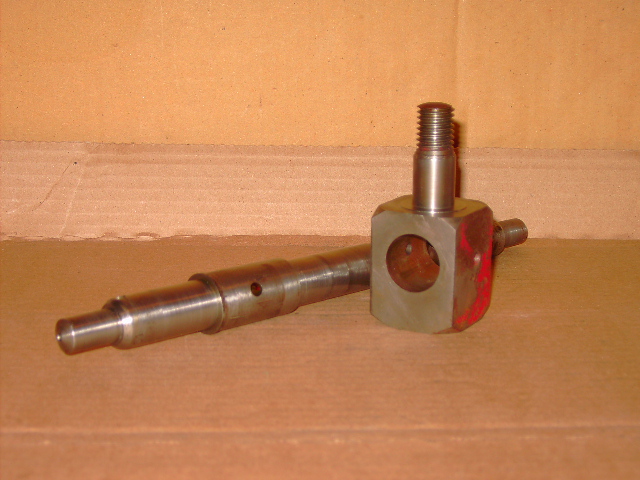
Excellent question. The press is not required to remove the gear. It is needed to remove the differential carrier block. (The carrier is the the square block in the picture below.)

Immagine

The press will be used again to re-install the the shaft into the carrier block.

_________________
    "When once you have tasted flight,
    you will forever walk the earth with your eyes turned skyward,
    for there you have been,
    and there you will always long to return." ~ Leonardo da Vinci


Top
 Profilo  
 

MessaggioInviato: martedì 7 giugno 2011, 10:06 
Non connesso
Nuovo Iscritto
Nuovo Iscritto
Avatar utente

Iscritto il: mercoledì 25 maggio 2011, 15:02
Messaggi: 58
Località: Olanda
Ok now I got it! :)

But than you dispose the differential block under the press in some kind of construction so that the press push on the shaft? I am sorry but in my mind I only have the book binding press I do not know if we are talking about the same type of press . And anyway it remains very interesting for me to understand how you place the parts in the press.

Speaking from a profane point of view I think that the function you use the press for is as some kind of extractor correct? Would it be possible to obtain the same effect with such a device?

Thinking about the specific problem I should think abut some kind of metal cylinder where you can insert the block with a hole on the base for the shaft. Than on top of it a screwing system that concentrate the force only on the shaft releasing controlled and gradual energy to extract it from the block.

And now question nr.2: why to remove this part from the block? was it damaged? Did you remove it just to repaint the block?

Ciao :)
Roberto


Top
 Profilo  
 

MessaggioInviato: martedì 7 giugno 2011, 10:08 
Non connesso
Nuovo Iscritto
Nuovo Iscritto
Avatar utente

Iscritto il: mercoledì 25 maggio 2011, 15:02
Messaggi: 58
Località: Olanda
Ok now I got it! :)

But than you dispose the differential block under the press in some kind of construction so that the press push on the shaft? I am sorry but in my mind I only have the book binding press I do not know if we are talking about the same type of press . And anyway it remains very interesting for me to understand how you place the parts in the press.

Speaking from a profane point of view I think that the function you use the press for is as some kind of extractor correct? Would it be possible to obtain the same effect with such a device?

Thinking about the specific problem I should think abut some kind of metal cylinder where you can insert the block with a hole on the base for the shaft. Than on top of it a screwing system that concentrate the force only on the shaft releasing controlled and gradual energy to extract it from the block.

And now question nr.2: why to remove this part from the block? was it damaged? Did you remove it just to repaint the block?

Ciao :)
Roberto


Top
 Profilo  
 

MessaggioInviato: martedì 7 giugno 2011, 18:25 
Non connesso
Orologiai Professionisti

Iscritto il: venerdì 6 maggio 2011, 17:25
Messaggi: 157
Località: Pittsburgh
Hello All,

napoleone18 ha scritto:
...But than you dispose the differential block under the press in some kind of construction so that the press push on the shaft? I am sorry but in my mind I only have the book binding press I do not know if we are talking about the same type of press . And anyway it remains very interesting for me to understand how you place the parts in the press.


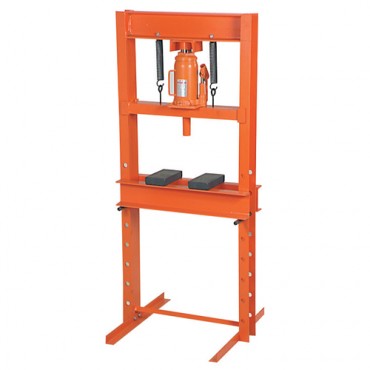
Here's a picture of a 20 Ton Hydraulic Press
Immagine

_________________
    "When once you have tasted flight,
    you will forever walk the earth with your eyes turned skyward,
    for there you have been,
    and there you will always long to return." ~ Leonardo da Vinci


Top
 Profilo  
 

Re:Domanda #2
MessaggioInviato: martedì 7 giugno 2011, 21:35 
Non connesso
Orologiai Professionisti

Iscritto il: venerdì 6 maggio 2011, 17:25
Messaggi: 157
Località: Pittsburgh
Google Traduzione Inglese a Italiano

Ciao a tutti,

napoleone18 ha scritto:
domanda nr.2: perché per rimuovere questa parte dal blocco? è stato danneggiato? Hai rimuoverlo solo per ridisegnare il blocco?

Ci sono almeno due buoni motivi per smontare del tutto ogni singola parte di un orologio che è in riparazione.
    di ispezione per danni nascosti: orologi spesso in riparazione come risultato diretto di una grave disfunzione.
Per esempio, una molla rotta a volte richiedono più di una sostituzione molla semplice. Ci potrebbe essere rotto denti o altri problemi. Alcuni problemi non possono essere visti mentre i componenti (sub-assembly) sono assemblati.

Questo orologio sembra essere stato danneggiato da una fuga di avvolgimento del motore. In effetti, credo che l'orologio è stato rimosso dal servizio a causa di quell'incidente. La curva di carico estremo rullo catena di supporti, ha rotto uno dei rulli, e piegato almeno una delle pergole sciopero (alberi).

Il blocco del differenziale è stato rimosso dal pozzo in primo luogo per ispezionare l'area intorno al foro (il foro conico) per il cracking. E 'stato importante anche per essere assolutamente certo di una misura di pressa molto stretti poiché questo albero porta la metà del peso di guida. Qualsiasi allentamento (misura allentata) qui potrebbe causare seri problemi nel tempo.

L'ispezione ha rivelato evidenza di una riparazione in precedenza. Uno scalpello era stato utilizzato per stringere la vestibilità del vettore, aumentando sbavature (marchi o creste) sulla superficie di accoppiamento dell'albero. Fortunatamente l'albero non è stato piegato o incrinato e la riparazione precedente è risultato efficace nella creazione di un fit adeguato interferenza ..

    Refinish parti adiacenti: Il vettore differenziale ha bisogno di essere ridipinto. Tuttavia, il vero lavoro è necessario qui sulle superfici portanti (pivot).
E 'molto più facile ottenere una buona finitura su una parte ben equilibrata di svolta in un tornio. carichi squilibrati dovrebbe essere girato più lentamente. L'albero montato con il vettore è stato chiaramente non equilibrata.


Cordiali saluti,

    ------------------------
    "Per il volo una volta che hai assaggiato camminerete sulla terra con i vostri occhi rivolti verso il cielo,
    perché ci siete stati e non ci sarà tempo per tornare." ~ Leonardo Da Vinci

======================================================================

Original English

Hello All,

napoleone18 ha scritto:
question nr.2: why to remove this part from the block? was it damaged? Did you remove it just to repaint the block?

There are at least 2 good reasons to completely disassemble every single part of a clock that is being repaired.
    Inspection for hidden damage: Clocks often come in for repairs as a direct result of a serious malfunction.
For example, a broken mainspring will sometimes require more than a simple mainspring replacement. There could be broken gear teeth or other problems. Some issues cannot be seen while the components (sub-assemblies ) are assembled.

This clock appears to have been damaged by a runaway winding motor. In fact, I believe that the clock was removed from service because of that incident. The extreme load bent the chain roller supports, broke one of the rollers, and bent at least one of the strike arbors (shafts).

The differential carrier block was removed from the shaft primarily to inspect the area around the hole (the tapered pin hole) for cracking. It was also important to be absolutely certain of a very tight press fit since this shaft carries half of the driving weight. Any slack (loose fit) here would cause serious problems over time.

The inspection revealed evidence of an earlier repair. A chisel had been used to tighten the fit of the carrier by raising burrs (marks or ridges) on the mating surface of the shaft. Fortunately the shaft was not bent or cracked and the previous repair was effective in creating an adequate interference fit..

    Refinish adjacent parts: The differential carrier does need to be repainted. However, the real work needed here is on the bearing surfaces (pivots).
It is much easier to get a good finish on a well-balanced part turning in a lathe. Unbalanced loads should be turned more slowly. The assembled shaft with the carrier was clearly not balanced.


Best regards,

_________________
    "When once you have tasted flight,
    you will forever walk the earth with your eyes turned skyward,
    for there you have been,
    and there you will always long to return." ~ Leonardo da Vinci


Ultima modifica di ottershaw il martedì 14 giugno 2011, 14:38, modificato 2 volte in totale.

Top
 Profilo  
 

MessaggioInviato: martedì 7 giugno 2011, 22:05 
Non connesso
Nuovo Iscritto
Nuovo Iscritto
Avatar utente

Iscritto il: mercoledì 25 maggio 2011, 15:02
Messaggi: 58
Località: Olanda
Well, now everything is much more clear :)

The press is totally different from what I had in mind, and so I can understand the way you dispose the parts in it.
It is also more clear that you are working on a clock that is undergone a severe mechanical stress, I thought that was just a thought but here you have evidences of that.
Very clear now also the reason why you needed to inspection that particular component.

By the way I just received the manual of Britten, I think I have a lot to read :) it is wonderful anyway, thanks !

And thanks for the explanations, very precious as usual.

Saluti
ROberto


Top
 Profilo  
 

MessaggioInviato: martedì 7 giugno 2011, 22:24 
Non connesso
Orologiai Professionisti

Iscritto il: venerdì 6 maggio 2011, 17:25
Messaggi: 157
Località: Pittsburgh
Hello All,

napoleone18 ha scritto:
Well, now everything is much more clear :)
I'm happy to help and this forum provides a useful way to review the process and perhaps even avoid mistakes.

napoleone18 ha scritto:
By the way I just received the manual of Britten, I think I have a lot to read :) it is wonderful anyway, thanks !
You are most welcome. I keep Britten within arm's reach at all times. Someday I would like to be able to write with such great clarity.

_________________
    "When once you have tasted flight,
    you will forever walk the earth with your eyes turned skyward,
    for there you have been,
    and there you will always long to return." ~ Leonardo da Vinci


Top
 Profilo  
 

MessaggioInviato: lunedì 13 giugno 2011, 21:33 
Non connesso
Orologiai Professionisti

Iscritto il: venerdì 6 maggio 2011, 17:25
Messaggi: 157
Località: Pittsburgh
Google Traduzione Inglese a Italiano

Ciao a tutti,

Ecco una foto della camma di sollevamento sciopero.

Immagine

I pin sono infilati nei cam ottone e quindi le estremità sono ribaditura.
Immagine

Difetti in questa parte di solito causano variazioni di tempi di rilascio sciopero. In casi gravi possono essere responsabili per la mancata sciopero.

I pin ora e mezz'ora su questo sono stretti. Tuttavia, il perno di ripetere ora è allentato. Il perno allentato causa un ritardo di un minuto o per la ripetizione.


Cordiali saluti,

    ------------------------
    "Per il volo una volta che hai assaggiato camminerete sulla terra con i vostri occhi rivolti verso il cielo,
    perché ci siete stati e non ci sarà tempo per tornare." ~ Leonardo Da Vinci

======================================================================

Original English

Hello All,

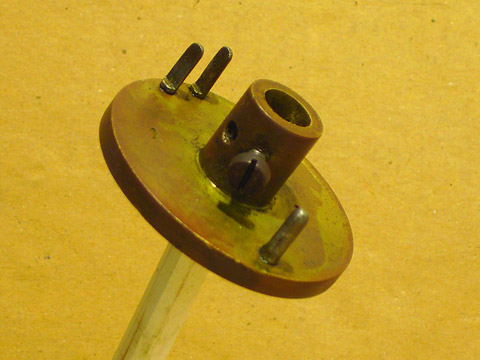
Here's a picture of the strike lifting cam.

Immagine

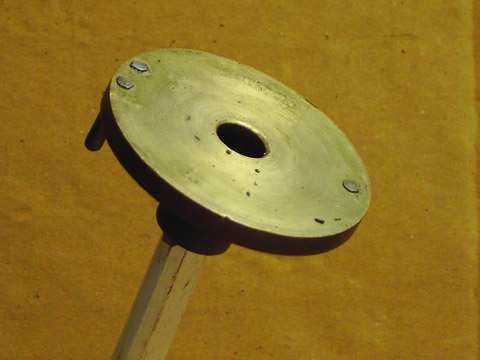
The pins are threaded into the brass cam and then the ends are rivetted.
Immagine

Faults in this part usually cause variations in the timing of the strike release. In severe cases they can be responsible for strike failure.

The hour and half-hour pins on this one are tight. However, the hour repeat pin has worked loose. The loose pin causes a delay of a minute or so for the repeat.


Best regards,

_________________
    "When once you have tasted flight,
    you will forever walk the earth with your eyes turned skyward,
    for there you have been,
    and there you will always long to return." ~ Leonardo da Vinci


Top
 Profilo  
 

Gruppo differenziale
MessaggioInviato: venerdì 24 giugno 2011, 15:02 
Non connesso
Nuovo Iscritto
Nuovo Iscritto

Iscritto il: venerdì 15 aprile 2011, 15:28
Messaggi: 85
Località: Cisliano(MI)
Siccome la traduzione italiana non mi sembra della massima comprensibilità credo di far gradita cosa chiarendo la funzione del differenziale.
Premessa:Il medesimo motore a catena e peso alimenta contemporaneamente sia il meccanismo dell'orologio propriamente detto che quello della suoneria delle ore.
Qui tratta di un differenziale a ingranaggi come quello automobilisico ma con un solo satellite.
Quando la suoneria delle ore è inattiva e il suo treno di ingranaggi è fermo tutta la coppia del motore è fornita al treno di ingranaggi dell'orologio e il satellite del differenziale ruota intorno al suo asse.
Quando la suoneria si sblocca cambia il funzionamento del differenziale; il satellite ruota con velocità diversa da prima, la suoneria funziona e il movimento delle ore pure contemporaneamente, anzi non ha mai cessato di funzionare. Il rapporto tra le dentature deve essere tale che una certa coppia venga fornita comunque anche al treno di ingranaggi delle ore in modo che lo scappamento continui a lavorare senza rallentamenti . Al termine delle battute la suoneria si ferma e tutta la coppia motrice torna sul treno delle ore. Il peso del motore durante il funzionamento della suoneria scende più in fretta logicamente.
Mi sembra un sistema molto ingegnoso non c'è che dire Se il rapporto dei denti è corretto secondo me funziona il tutto. :up:
Paolo/Drafi

_________________
Paolo


Top
 Profilo  
 

Switch Operativo Principale
MessaggioInviato: venerdì 5 agosto 2011, 1:37 
Non connesso
Orologiai Professionisti

Iscritto il: venerdì 6 maggio 2011, 17:25
Messaggi: 157
Località: Pittsburgh
Google Traduzione Inglese a Italiano

Ciao a tutti,

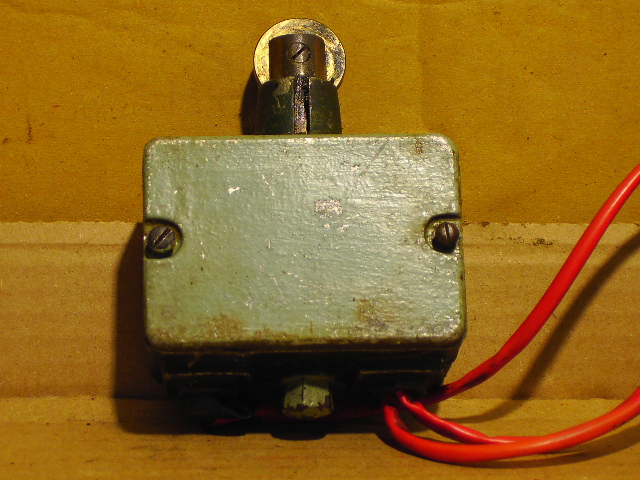
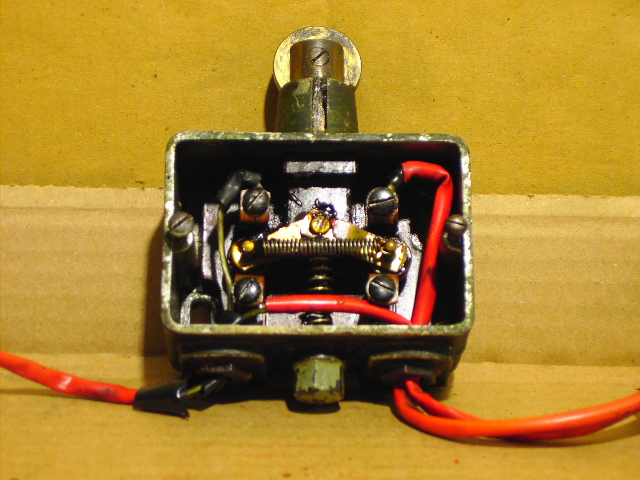
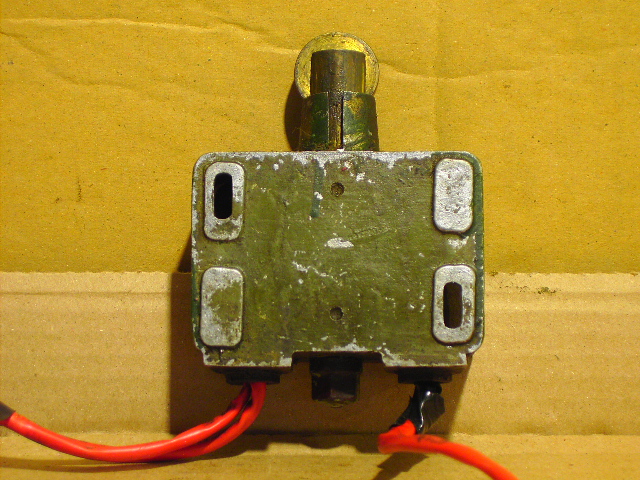
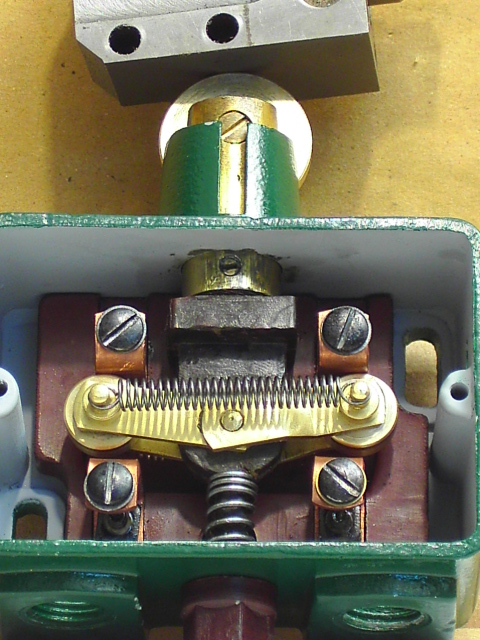
Quando l'orologio lasciato la fabbrica Terrile, aveva solo un interruttore per controllare l'avvolgimento del motore. E 'ancora in uso, anche se ora funziona come un sensore di posizione piuttosto che passare la corrente del motore direttamente. L'interruttore sembrava funzionare normalmente quando ad azionamento manuale. Sembrava prudente di smontare ed esaminarla comunque.

Immagine
Fig. 1 Switch Operativo Principale (Vista frontale prima della pulizia)

Immagine
Fig. 1A Switch Operativo Principale (Vista frontale coperchio rimosso)

Immagine
Fig. 2 Switch Operativo Principale (Reverse prima della pulizia)

Questo è un semplice pistone-tipo di switch con un rullo in ottone che senso la posizione del peso della guida. Si tratta di un normalmente aperto a scatto, polo doppio e doppio interruttore buttare. Circa 2 kg (4,4 libbre) è necessario per azionare il interruttore. Una volta che l'interruttore è scattato chiuso, solo circa 272 grammi (9,6 once) è necessario per tenere il pistone verso il basso e tenere l'interruttore in posizione di chiusura.

Si tratta di un interruttore durevole e ben si adatta al suo lavoro. Purtroppo, ha alcuni punti deboli. La molla pistone è di vitale importanza per il corretto funzionamento dell'interruttore. Se questa primavera si indebolisce o si spezza in uso, il sensore non in posizione di chiusura.

I rulli di contatto sono un'altra potenziale fonte di guai. Come il contatto rullo perno indossare fori, l'angolo tra le braccia rullo diminuisce. L'angolo più piccolo richiede la tensione della molla più e fa sì che il pistone a bastone nel chiuso (giù). L'interruttore resta chiuso con risultati disastrosi. Ci sono prove di danni ingenti per l'orologio da più di una istanza di questi tipi di guasti.

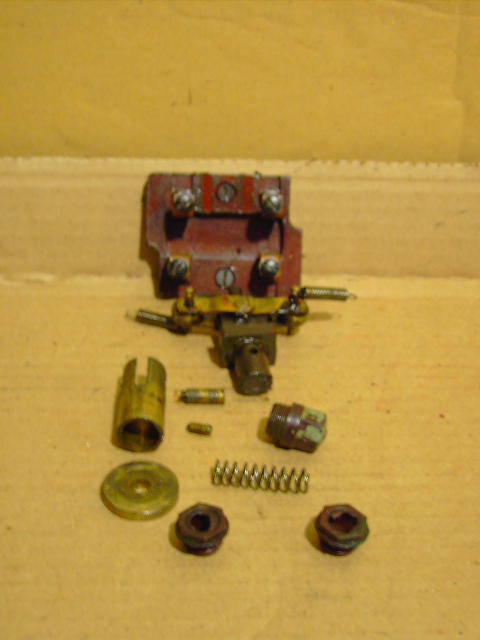
L'interruttore è stato smontato per la pulizia, la pittura e di ispezione. L'ispezione ha rivelato da moderata a grave erosione sulle superfici di contatto. Le aree danneggiate sono state depositate e trattati con anti-ossidanti. L'interruttore non nei tempi posizione di chiusura numerose durante il test. Il problema si è verificato più spesso quando il peso è stato rimosso dal rullo di seguire molto lentamente. Questo test simula l'azione del peso di essere automaticamente ferita. Inadeguata tensione della molla del pistone e l'eccessiva usura del rullo di contatto perno fori causati i fallimenti.

Immagine
Fig. 3 Componenti interruttori principali

Immagine
Fig. 4 Interruttore Contatti

Immagine
Fig. 5 Contatta Roller Braccio Assemblea

Immagine
Fig. 6 0,6096 millimetri (0,024 pollici) Roller raccolto Contatto

Immagine
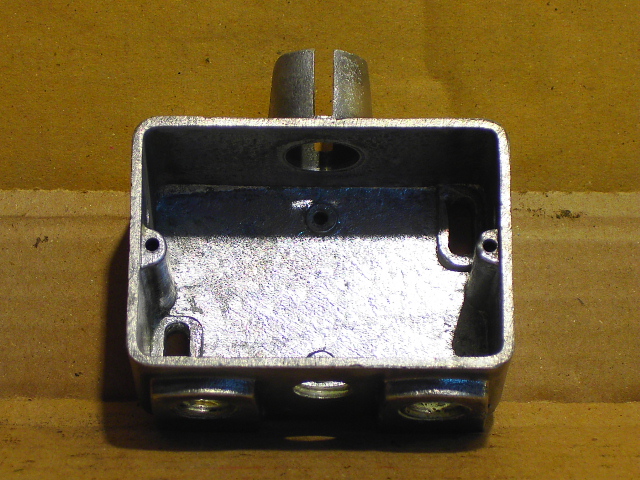
Fig. 7 Interruttore Protezione (prima)

Immagine
Fig. Interruttore Protezione (dopo la pulizia)

Immagine
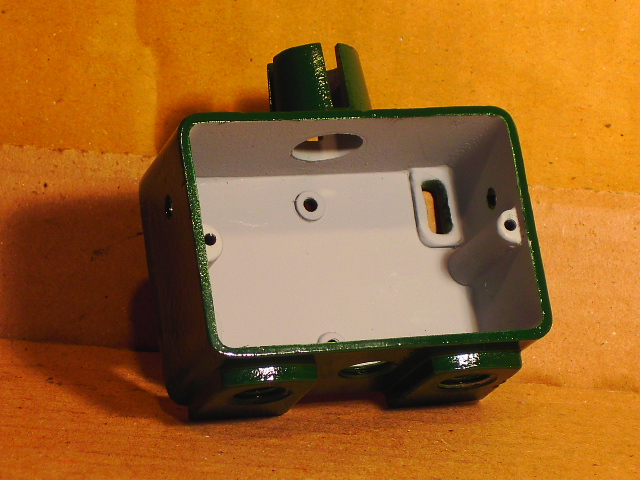
Fig. 8 Interruttore Protezione (dipinta)

Immagine
Fig. 9 Interruttore Protezione

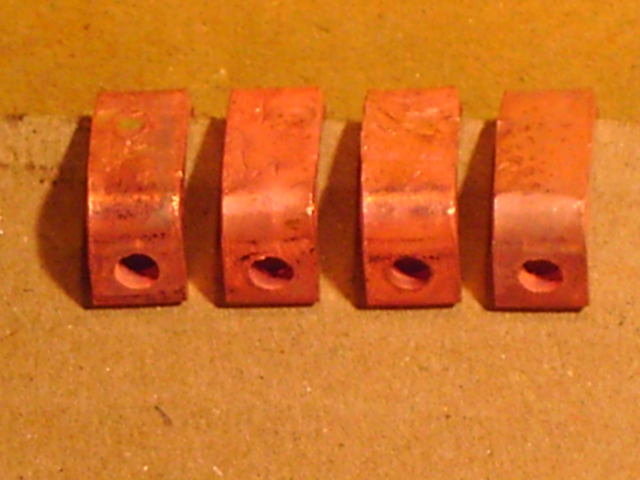
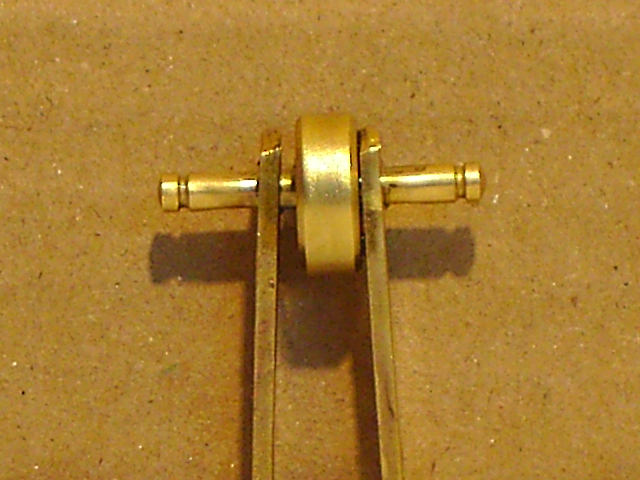
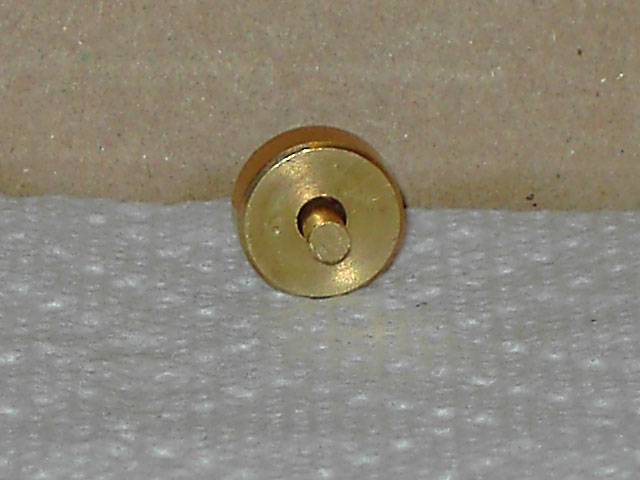
Un distanziatore sottile aumentato la pressione e molla sufficiente per ripristinare la corretta azione. Dal momento che le parti non sono disponibili, ho fatto rulli nuovo contatto da 0,500 pollici magazzino barra di ottone. I perni nuovo rullo sono state fatte da 0,125 barra di ottone pollici. Le assemblee rullo braccio sono garantiti da boccole mantenendo premuto al perni anziché il martello originale e tecnica di pugno. Questi consentono una regolazione precisa e semplice sostituzione, come richiesto.

Immagine
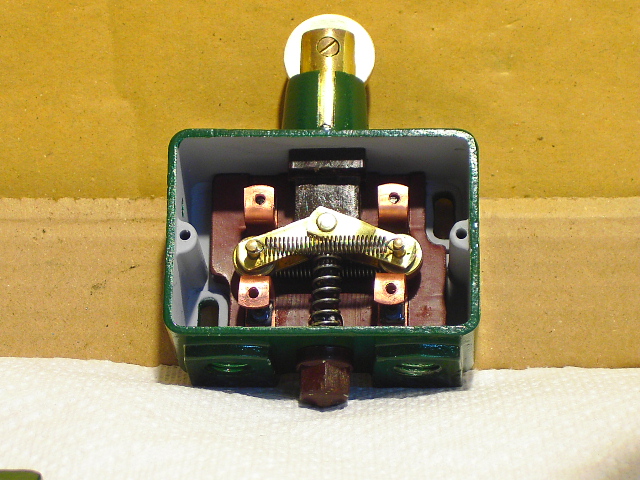
Fig. 10 Interruttore Operativo Principale (nuovi rulli, perni, e fermi)

Immagine
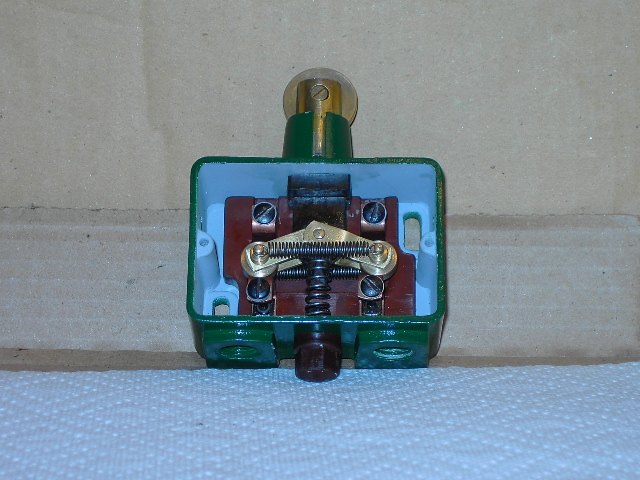
Fig. 11 Interruttore Operativo Principale (dettagli, interruttore chiuso)

Cordiali saluti,

Ottershaw

    ------------------------
    "Per il volo una volta che hai assaggiato camminerete sulla terra con i vostri occhi rivolti verso il cielo,
    perché ci siete stati e non ci sarà tempo per tornare." ~ Leonardo Da Vinci

======================================================================

Original English
-
Hello All,

Repairs to the primary operating switch.

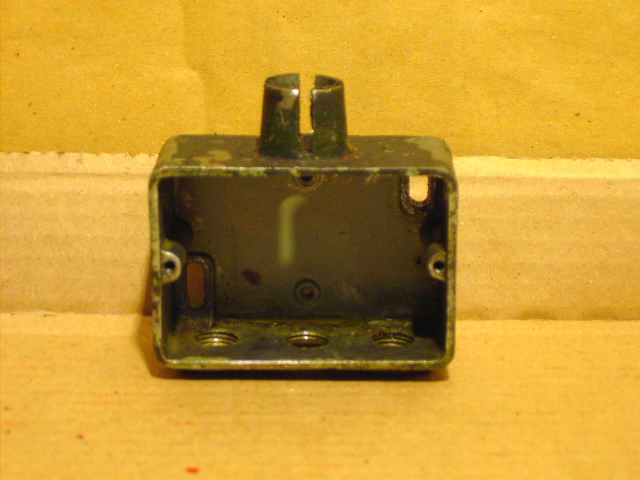
When the clock left the Terrile factory, it had only one switch to control the winding motor. It is still in use although it now functions as a position sensor rather than switching the motor current directly. The switch seemed to function normally when manually operated. It seemed prudent to disassemble and inspect it nevertheless.

Fig. 1 Primary Operating Switch (Front view before cleaning)
Fig. 1A Primary Operating Switch (Front view Cover Removed)
Fig. 2 Primary Operating Switch (Reverse before cleaning)

This is a simple plunger-type switch with a brass roller which senses the position of the of the driving weight. It is a normally open snap-action, double pole and double throw switch. About 2 kilos (4.4 pounds) is required to actuate the switch. Once the switch has snapped closed, only about 272 grams (9.6 ounces) is required to hold the plunger down and keep the switch in the closed position.

It is a durable switch and is well-suited to its job. Unfortunately, it has some weak points. The plunger spring is vital to the proper operation of the switch. If this spring weakens or breaks in use, the switch will fail in the closed position.

The contact rollers are another potential source of trouble. As the contact roller pivot bores wear, the angle between the roller arms decreases. The smaller angle requires more spring tension and causes the plunger to stick in the closed (down) position. The switch remains closed with disastrous results. There is evidence of extensive damage to the clock from more than one instance of these kinds of failures.

The switch was disassembled for cleaning, painting, and inspection. The inspection revealed moderate to severe pitting on the contact surfaces. The damaged areas were filed and treated with anti-oxidant. The switch failed in the closed position numerous times during testing. The problem occurred most often when weight was removed from the follow roller very slowly. This test mimics the action of the weight being automatically wound. Inadequate plunger spring tension and excessive wear of the contact roller pivot bores caused the failures.

Fig. 3 Major Switch Components
Fig. 4 Switch Contacts
Fig. 5 Contact Roller Arm Assembly
Fig. 6 .6096 mm (.024 inch) Contact Roller Wear
Fig. 7 Switch Enclosure (Before)
Fig. 8 Switch Enclosure (After Cleaning)
Fig. 9 Switch Enclosure (Painted)

A thin spacer increased the plunger spring pressure enough to restore proper action. Since parts are not available, I made new contact rollers from 0.500 inch brass rod stock. The new roller pivots were made from 0.125 inch brass rod. The roller arm assemblies are now secured by retaining bushings pressed on to the pivots rather than the original hammer and punch technique. These allow for precise adjustment as well as simple replacement, as required.

Fig. 10 Primary Operating Switch (new rollers, pivots, and retainers)
Fig. 11 Primary Operating Switch (close-up, switch closed)

Best regards,

_________________
    "When once you have tasted flight,
    you will forever walk the earth with your eyes turned skyward,
    for there you have been,
    and there you will always long to return." ~ Leonardo da Vinci


Top
 Profilo  
 

MessaggioInviato: domenica 7 agosto 2011, 1:05 
Non connesso
Senior Advanced User
Avatar utente

Iscritto il: martedì 7 aprile 2009, 21:47
Messaggi: 2997
Località: verona
Grazie 1000... Drafi

Ciao!


Top
 Profilo  
 

MessaggioInviato: lunedì 8 agosto 2011, 0:39 
Non connesso
Orologiai Professionisti

Iscritto il: venerdì 6 maggio 2011, 17:25
Messaggi: 157
Località: Pittsburgh
Google Traduzione Inglese a Italiano

Ciao a tutti,

catenavfr ha scritto:
Grazie 1000... Drafi Ciao!

Grazie per seguire i progressi del mio piccolo progetto. E 'bene per ottenere un feedback da qualcuno che capisce veramente il lavoro necessario.

Cordiali saluti,

Ottershaw

    ------------------------
    "Per il volo una volta che hai assaggiato camminerete sulla terra con i vostri occhi rivolti verso il cielo,
    perché ci siete stati e non ci sarà tempo per tornare." ~ Leonardo Da Vinci

======================================================================

Original English

Hello All,

catenavfr ha scritto:
Grazie 1000... Drafi Ciao!

Thanks for following the progress of my little project. It is good to get feedback from someone that really understands the work involved.

Best regards,

_________________
    "When once you have tasted flight,
    you will forever walk the earth with your eyes turned skyward,
    for there you have been,
    and there you will always long to return." ~ Leonardo da Vinci


Top
 Profilo  
 

Scappamento perno foro
MessaggioInviato: lunedì 8 agosto 2011, 17:58 
Non connesso
Orologiai Professionisti

Iscritto il: venerdì 6 maggio 2011, 17:25
Messaggi: 157
Località: Pittsburgh
Google Traduzione Inglese a Italiano

Ciao a tutti,

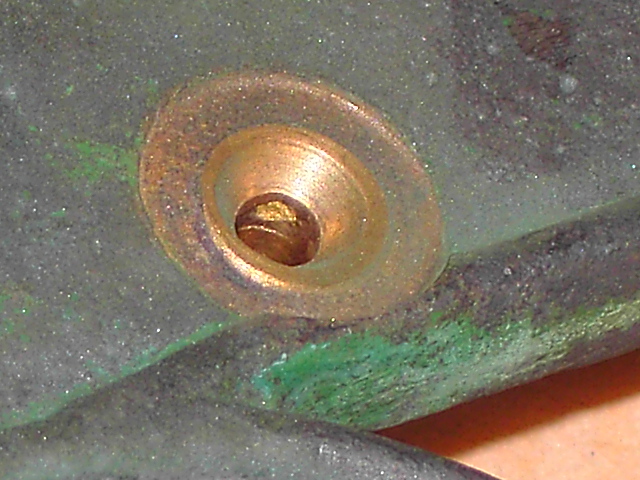
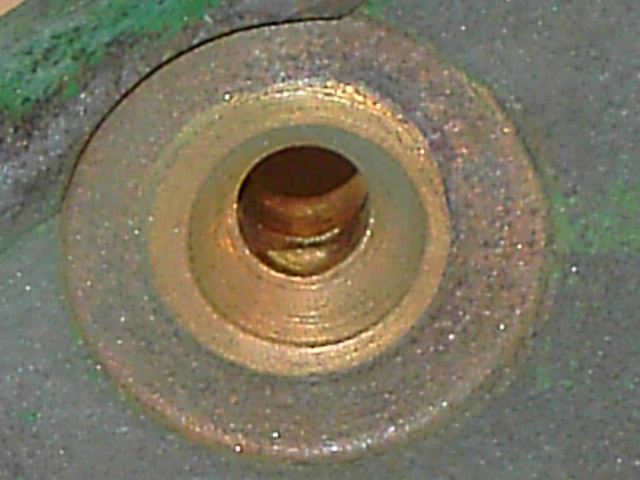
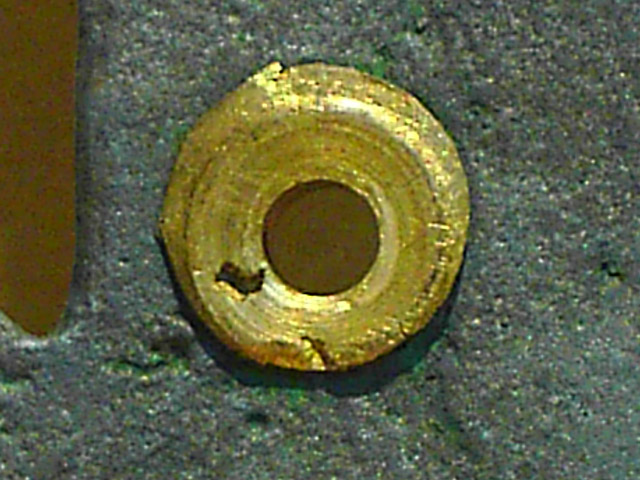
Qui c'è qualcosa che non si vede tutti i giorni ... Guarda i vuoti enormi nei getti in ottone. Questi non sono stati causati da usura. Sono difetti nel getto originale.

Immagine
Fig. 1 La figura sopra mostra l'interno della ruota di scappamento perno foro (cuscinetto / boccola).

Immagine
Fig. 2 Questa immagine mostra l'altra faccia di quella stessa perno foro (cuscinetto / boccola).

Immagine
Fig. 3 Ecco la boccola stessa (dal lato posteriore)

Cordiali saluti,

Ottershaw

    ------------------------
    "Per il volo una volta che hai assaggiato camminerete sulla terra con i vostri occhi rivolti verso il cielo,
    perché ci siete stati e non ci sarà tempo per tornare." ~ Leonardo Da Vinci

======================================================================

Original English

Hello All,

Here's something you don't see every day... Look at the huge voids in the brass castings. These were not caused by wear. They are flaws in the original casting.

Fig. 1 The picture above shows the inside of the escape wheel pivot bore (bearing / bushing).
Fig. 2 This picture shows the other side of that same pivot bore (bearing / bushing).
Fig. 3 Here is the same bushing (from the back side)

Best regards,

_________________
    "When once you have tasted flight,
    you will forever walk the earth with your eyes turned skyward,
    for there you have been,
    and there you will always long to return." ~ Leonardo da Vinci


Ultima modifica di ottershaw il giovedì 11 agosto 2011, 17:26, modificato 1 volta in totale.

Top
 Profilo  
 

Visualizza ultimi messaggi:  Ordina per  
Apri un nuovo argomento Rispondi all’argomento  [ 41 messaggi ]  Vai alla pagina Precedente  1, 2, 3  Prossimo

Tutti gli orari sono UTC + 2 ore


Chi c’è in linea

Visitano il forum: Nessuno e 9 ospiti


Non puoi aprire nuovi argomenti
Non puoi rispondere negli argomenti
Non puoi modificare i tuoi messaggi
Non puoi cancellare i tuoi messaggi
Non puoi inviare allegati

Vai a: